
Audiologist
Peninsula Hearing Services is owned by a Doctor of Audiology. The office provides hearing tests, hearing aids and tinnitus solutions. Peninsula Hearing Services is an authorized distributor for hearing aid brands Oticon, Phonak, Resound, Signa, Starkey & Widex.
Services provided by the Audiologist at
Peninsula Hearing Services
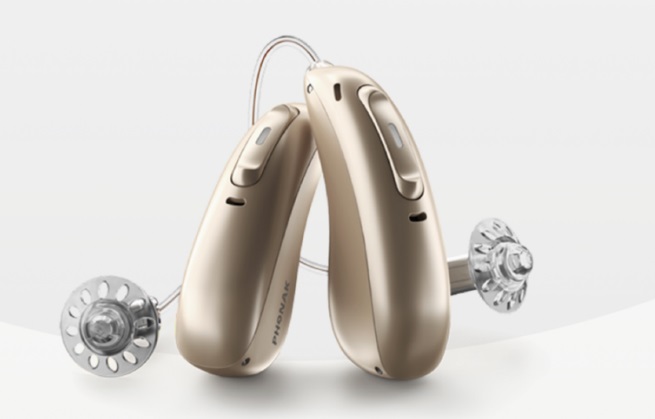
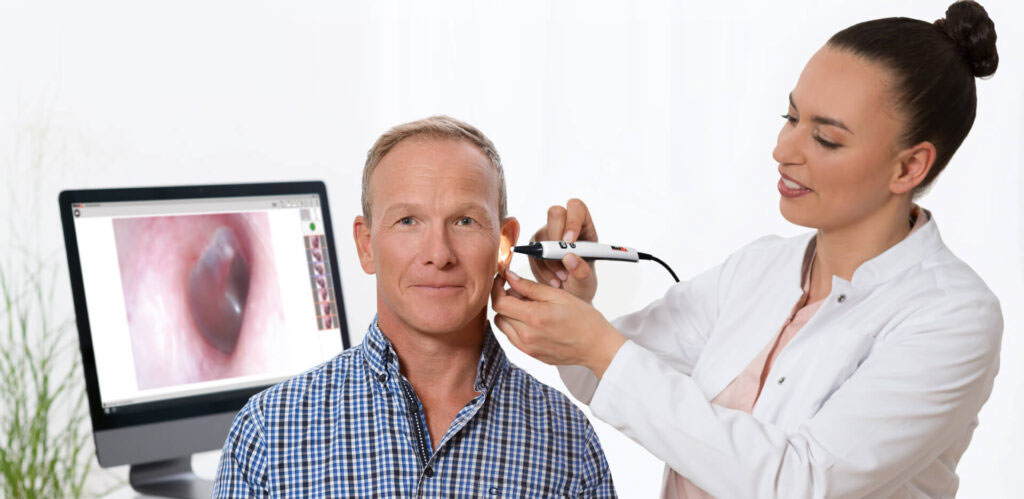

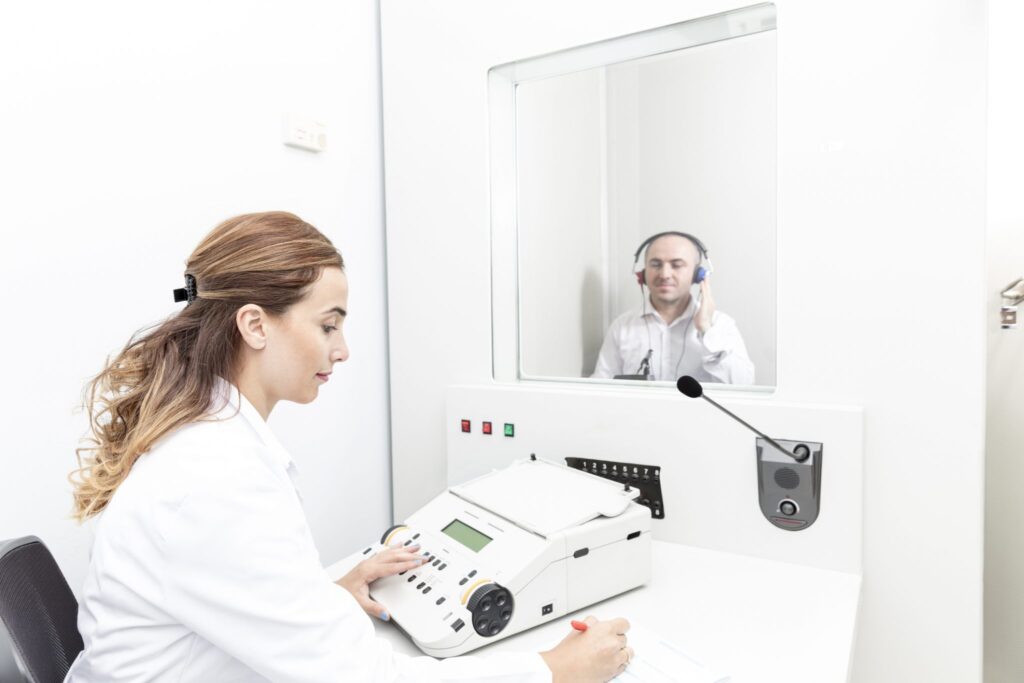

Dr. John Folmar, AuD
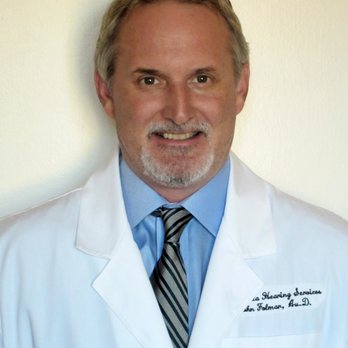
Bio: I practice as an audiologist in California,. The office is located in Burlingame near US-101 in between the Millbrae and Peninsula Ave exits. An audiologist is a hearing healthcare professional trained in the field of audiology, which is the diagnoses and treatment of hearing, balance and related disorders including tinnitus and auditory processing disorders. I also practice as a hearing aid specialists (otherwise known as a Dispensing Audiologist) a fit hearing aids.
A graduate of Northwestern University, I earned a Doctor of Audiology (AuD) from the Arizona School of Health Sciences. I entered the field 26-years ago. My father, who was an Ear, Nose & Throat (ENT) surgeon in Southern California, introduced me to the profession. My primary focus of interest has been hearing testing, hearing aids, tinnitus therapy and aural fullness (ears feel plugged). Click on the previous underlined words to read about those topics/services.
Peninsula Hearing Services was opened in 2013. Previously, I worked as a researcher for a new and innovative hearing aid manufacturer in the Silicon Valley area. It was that experience where I learned the in’s-and-out’s” of hearing aids and the challenging “journey” consumers experience seeking the best hearing aid for themselves among the vast number of advertisements on the internet, television and in print media.
I regularly test, review and fit my patients with new hearing aids for 2025 released from the top 6 major hearing aid brands in the world: Oticon, Phonak, Resound, Signia, Starkey, and Widex.
There are number of individuals in the area who practice audiology and are good at it. I offer that I have been in the field for 26-years and thus have considerable experience diagnosing and treating individuals concerned with hearing loss, tinnitus concerns and seeking assistance with purchasing new hearing aids or a hearing aid repair. My office has been in the same brick-and-mortar location since 2013.
The office is in-network with most major health insurance plans including some HMO plans, Medi-Cal, Care Advantage and others. With the exception of hospitals, most audiology private practices are not in-network with health insurance plans.
If you seek new hearing aids, look for a Doctor of Audiology who uses Real Ear Measures to fit hearing aids. This procedure, which can only be performed “live” in the office with the patient, is the only way to ensure the hearing aid prescription for your hearing loss and ear canal size and shape is programmed appropriately .A video of how real ear measure are performed can be found in the link RE Measures performed.
Finally, look for an audiologist who fits the devices in office as opposed to ordering hearing aids online through the internet.
As with Real Ear Measures, it is critical the audiologist ensure the ear canal is healthy and free of ear wax for the fitting. At the fitting of the hearing aids, the audiologist measures and verifies the fit of the ear pieces in the ear. For the most commonly fit RIC hearing aid models (RIC=receiver in the ear), the appropriate receiver wire length is also measured and verified. Failure to complete this step with the hearing aids may result that the aids do not perform optimally, might be uncomfortable or too loose, which could dislodge the aids from the ear canal and cause them to dangle or fall off the ear.
Contact the office today with any questions about your ears or hearing at 650-373-2081. You may also email the office at earsandhearing.net.

NEW! Widex Moment Sheer Hearing Aid
Click on the red & white button to learn why the Widex Moment hearing aid sounds so natural compared to other hearing aids. In tests, 85% of hearing aid users preferred Widex Moment across different sound scenarios.
Hearing Aid Brands

There are 6 major brands of hearing aids. Twenty years ago, there were over 40! However, most have since closed their doors or merged with today’s major brands. The remaining 6 brands have each been in business for 50 or more years and are extremely competitive with one another. Because of this, all provide excellent products and offer the consumer a diverse portfolio of products to meet almost any hearing need.
To review the NEWEST hearing aids for 2025, click on the manufacturer icons above.
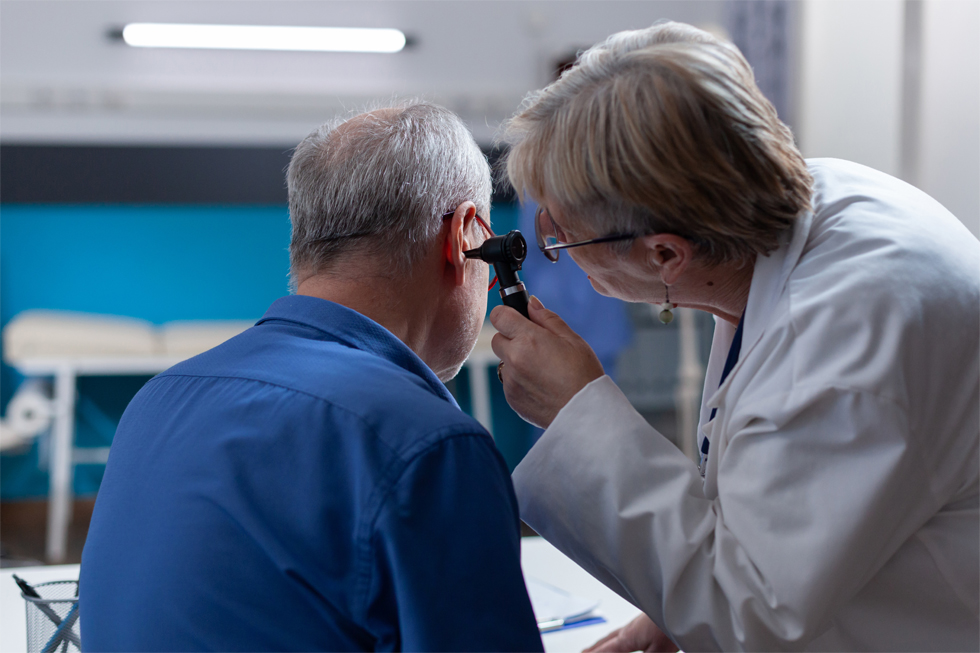
Choosing Hearing Aids with an Audiologist
Nobody wakes up “wanting” hearing aids. However, if you have been diagnosed with hearing loss, it is like any other medical condition that if left untreated becomes a “chronic” condition that becomes worse over time and more difficult to treat. However, the vast majority of people seek hearing aids because they feel isolated and lonely and simply yearn for the emotional relief of feeling closer to others and part of conversations and their social network again. Hearing aids also provide a huge physical relief after years of straining to hear.
As a former researcher for a hearing device manufacturer, my office has reviewed most of the hearing aids on the market and has expertise and experience with fitting them
There are generally 3 factors considered when a provider recommends a hearing aid:
Style
Because of the miniaturization of computer chips, technological innovation and improvements in battery design, the vast majority of patients are able to wear what is known as the RIC (receiver-in-the-canal) style devices. This style is small, discreet, comfortable, has a natural sound quality, and yet is powerful enough to fit even severe hearing losses). Only the more severe hearing losses or those with chronic ear infections are fit with the older, larger BTE (behind-the-ear) style devices. There is no difference in cost between the different sizes/styles.
Technology
All of the 6 major manufacturers design technology levels for hearing devices. These levels have nothing to do with the size or appearance of the devices, but rather with the sound processing capability of the computer chip inside the hearing aids.
These technology levels drive the cost of hearing aids and are generally referred to as “standard”, “advanced” and “premium”, with standard being the least expensive and premium the most expensive. While all 3 levels are capable of providing an excellent improvement in hearing, the more advanced level features are marketed to provide ease of comfort in louder listening situations like restaurants.
A hearing evaluation is the first step needed for an audiologist to begin making a recommendation for hearing aids. Peninsula Hearing Services is in-network with all major health insurance carriers.